











Our Blog
How to Build a Memorable Brand on a Small Budget

A persistent myth in the business world holds that building a recognizable brand requires a million-dollar budget, a Madison Avenue agency, and a Super Bowl commercial slot. That’s clearly false, as some of the world’s most iconic companies, like Apple, Nike, and Amazon, started in garages and basements. All of them had one thing in common – a vision and a relentless work ethic.
Today, with all the resources and guidance available, even the smallest business can create a strong presence without overspending.
Today, we will discuss cost-effective strategies to build a brand that people trust and remember.
- Lay the Foundation Before Starting
Before spending money on running social media ads and other assets, even before you start creating content, you should first know what you’re getting yourself into.

- Understand Your Target Audience
Knowing who your audience is doesn’t require hiring a research firm. Here are some of the cost-effective methods you can go for when trying to know your audience.
- Customer interviews to assess what they are looking for when hiring you as a brand.
- Social media comments and groups to know what the audience is talking about.
- Free analytics tools to keep yourself updated with the global social media trends.
These details help you create personalized content that your audience would be looking for. This is better than shooting in the dark by creating generic content.
- Craft a Simple but Strong Value Proposition
Did you know 77% of consumers buy from brands that share the same values as they do? That’s why you need to have an honest conversation with yourself about why your audience should choose you over your competitors. You should create a value proposition that’s easily understandable.
A clear value proposition answers these questions:
- What do you do?
- Who do you serve?
- Why are you the better choice?
People remember what they can clearly explain, and clarity always beats complexity, especially when your budget is limited.
- Establish Visual and Verbal Brand Consistency
Once you understand your audience and value, you can move into defining how your brand looks and sounds. This includes designing the following.
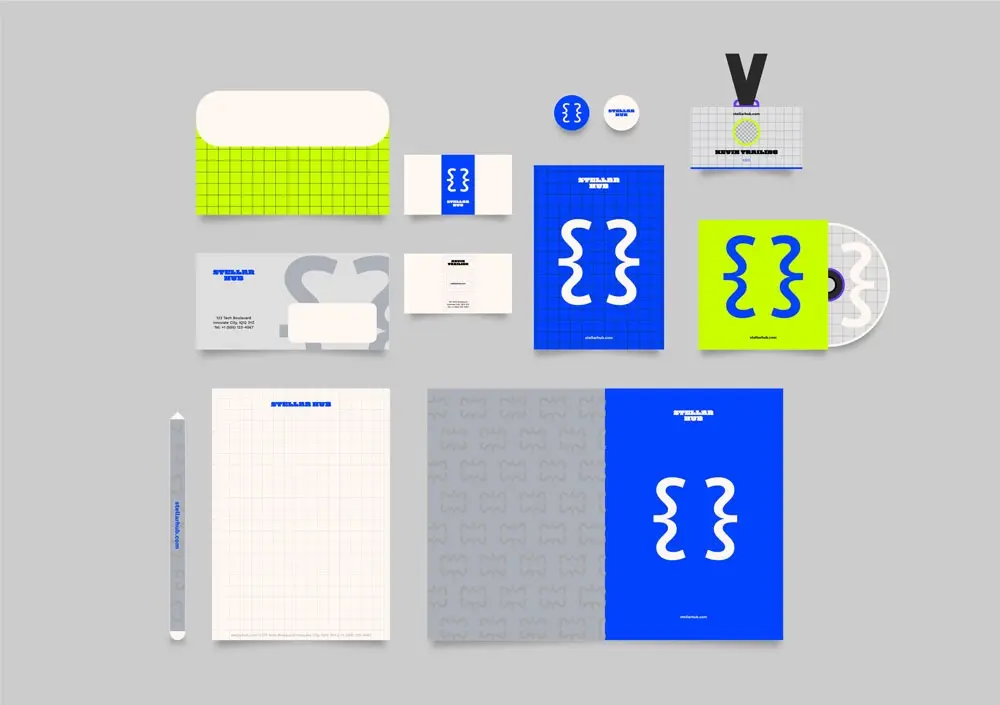
- A consistent color palette can eliminate confusion for the viewer when finding you across different platforms.
- A readable font pairing makes it easier to understand the message your brand is trying to communicate.
- A simple logo can help potential clients understand your business at first glance.
- Create a Low-Cost Visual Identity
Instead of drilling a hole in your bank account, you can build strong brand awareness and reach your audience through organic, cost-effective methods.
- Leverage Social Media Organic Reach
While social platforms constantly evolve, they still reward valuable, engaging content. Small businesses often win by showing the behind-the-scenes process, sharing useful tips, or demonstrating what makes their product or service different.
You can even go for short-form videos to create tutorials, product demos, customer stories, or educational insights without spending more than time and creativity.
- Use Micro-Influencers for Cost-Effective Visibility
Instead of going after influencers like Casey Neistat and others with millions of followers, you can target micro-influencers. These are often creators with 1,000 to 50,000 followers and solid engagement.
No, you don’t have to spend a lot of money on them. They often charge less anyway. In fact, you can avoid paying them altogether, and here are some ways you can collaborate with them.
- Product exchanges: Where you send gifts or products to the influencer.
- Commission or affiliate partnerships: For the sales you generate from a particular influencer, you can decide on a percentage they’ll receive. Try using a customized creator code.
- Co-created content: The created content is created together, and published on your and the influencers’ platforms for mutual benefits.
- Use Social Proof to Strengthen Brand Trust
One of the best ways to gain the trust of your audience is to show them what you’ve done.
- Collect and Display Authentic Reviews
Reviews are one of the easiest and most impactful ways to build trust. You can gather them without spending money by asking customers directly, following up after purchases, or offering small incentives for honest feedback.
Once you have positive reviews from your past and existing clients, you can proudly showcase them on:
- Product pages
- Social posts
- Email newsletters
- Landing pages
- Build Case Studies and Success Stories
What are the problems your past clients faced? And how did your products or services help solve them? That’s the question potential clients would be interested in, which a case study can show. Create a simple case study structure with this information.
- The challenge: What was the issue your client was facing?
- The solution: What strategy did you use to fix the issue?
- The result: What were the measurable outcomes of your efforts?
- The feedback: What did the client say about your services?
- Encourage Community Engagement
By creating a community on social platforms, you can make it easier to build long-term loyalty. Here are some free platforms for building communities.
- Facebook Groups
- Discord servers
- LinkedIn groups
- Email newsletters
- Choose Consistency Over Complexity
When you have limited resources, one of the best ways to show professionalism and possibly be taken seriously by the audience is to maintain a simple, consistent brand identity across platforms.

- Create a Simple Brand Style Guide
Make sure that your business has a well-defined style guide, which should include:
- Your color palette: Have a primary and secondary color for the brand. Make sure to use the exact color code for the right shade.
- Your fonts: Use a maximum of 2 font types, with one for the heading and the other for the paragraph.
- Logo usage rules: Establish the logo size requirement and specify color versions, including full color, monochrome, and stacked.
With all these factors defined, even if you are creating different content on various platforms, a consistent identity helps strengthen the brand.
- Automate for Consistent Posting
Instead of worrying about your social media postings across different platforms, you can automate them using free or low-cost tools. These include Buffer, Meta’s built-in scheduling tool, and many others. This helps you plan ahead, keeping your content fresh and consistent across all platforms. Avoid rushing to publish something at the last minute, as this can compromise overall quality.
- Measure What Matters
Whatever you are doing, is it actually working? That’s the question to ask yourself.

- Track Key Brand Metrics
Instead of looking at all the numbers and statistics shown on analysis tools, here are some numbers that tell you whether you are on the right track or not.
- Social engagement
- Website traffic
- Customer reviews and sentiment
- Email subscriber growth
- Search engine visibility
- Repeat purchase rate
- Adjust Strategy Based on Data
Tracking the right metrics means you know exactly what’s working and what needs to change. For example, if:
- Social engagement rises when you share behind-the-scenes content, post more of it.
- One product page gets more traffic but few conversions; analyze what’s missing.
- Certain keywords bring strong organic traffic; expand those topics.
Conclusion
Building a memorable brand does not depend on a large budget. It depends on clarity, consistency, and connection. When you understand your audience, communicate your value clearly, and show up regularly, people recognize and trust your brand. By following all the budget-friendly, organic approaches we discussed, you can create a brand that stands out.